
Quick answer
PrevenTRON is a global, multi-centre Phase III registration trial, sponsored by Roche, that is running simultaneously in China, the United States, Canada, Japan and several European countries. Launched at Beijing Xuanwu Hospital — which is both the worldwide first site to start and the lead unit for China — it tests whether the brain-penetrant antibody trontinemab can remove amyloid-beta protein from the brain before memory-decline symptoms appear, aiming to prevent or delay Alzheimer's disease [1][2].
Key takeaways
- Trontinemab is an anti-amyloid antibody designed to cross the blood-brain barrier more effectively; approved antibodies today only reach mild cognitive impairment or mild dementia [2][3].
- PrevenTRON moves intervention much earlier — to "pre-symptomatic" people whose cognition is still normal [1].
- Beijing Xuanwu Hospital is the global first site and China's lead unit; 29 Chinese centres are taking part, with Tang Yi as principal investigator [1][4].
- The trial is recruiting participants across China, the United States, Canada, Japan and Europe [4].
- It is a Phase III registration trial; it is studying prevention, and results are not yet available [1][4].
Why intervene before symptoms
Alzheimer's is a slowly progressive disease. Research suggests amyloid-beta protein begins to build up in the brain 10 to 20 years before obvious memory loss or dementia. Xuanwu's team argues that this long, silent window is the best chance to intervene — clearing the pathology before damage accumulates [1][2].
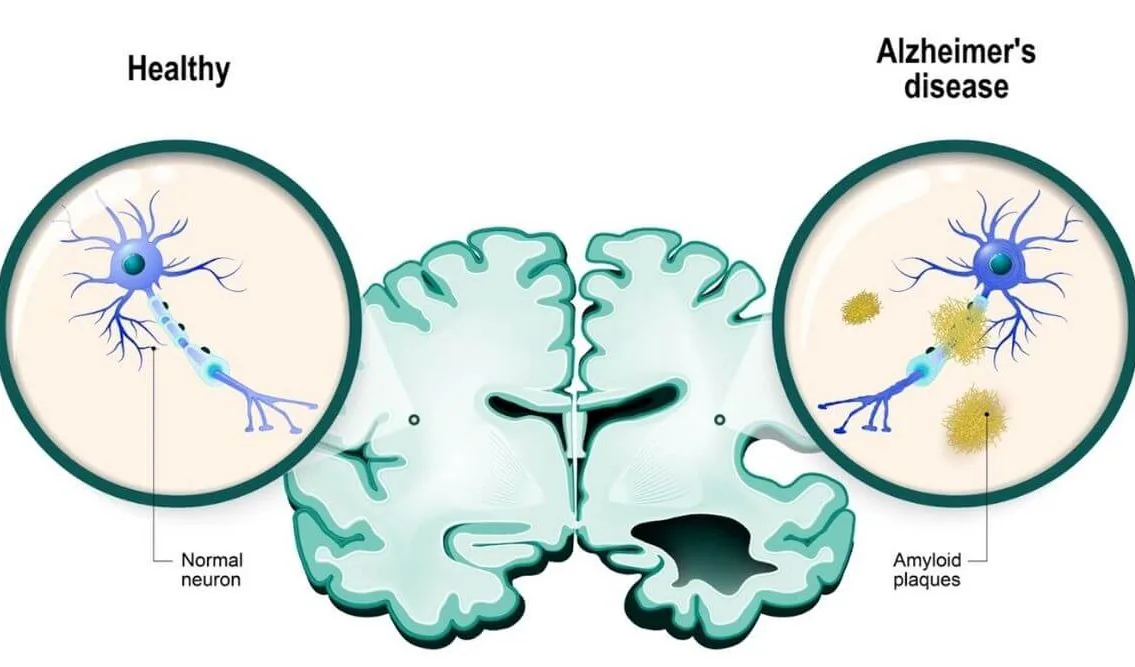
Today's approved anti-amyloid antibodies already help some people with mild cognitive impairment or mild Alzheimer's, but the blood-brain barrier blocks most of the dose — only about 0.1% of a conventional antibody reaches the brain. Trontinemab uses a "brain shuttle" approach intended to raise brain penetration substantially [3].
How the trial is set up
PrevenTRON is run as a global registration Phase III trial sponsored by Roche (China). China's lead site is Xuanwu Hospital, where Tang Yi (the hospital's executive vice-president) is principal investigator, with 29 centres participating nationally; team members include Xing Yi, a neurologist. Xuanwu is described as the world's first centre to launch the study, and it is currently enrolling participants [1][2][4].
The central question is whether clearing amyloid in people who still feel and test as cognitively normal can stop or slow Alzheimer's before it starts. A positive Phase III result would be a landmark for prevention; the trial itself is still under way, so no conclusions can yet be drawn [1][2].
The condition in context: Alzheimer's disease
Alzheimer's disease is the most common cause of dementia, and the global burden keeps rising as populations age.
| Region | What the data shows | Source |
|---|---|---|
| Worldwide | More than 55 million people live with dementia, most commonly Alzheimer's disease, with millions of new cases each year [5]. | World Health Organization [5] |
| Silent onset | Amyloid-beta deposition can begin 10–20 years before memory symptoms, motivating pre-symptomatic intervention [1][2]. | Xuanwu Hospital reports [1][2] |
| China | A large ageing population faces a heavy dementia burden; Xuanwu, a leading neurology centre, leads China's PrevenTRON sites [1][4]. | Beijing Municipal Government [1] |
Because there is no cure today, preventing the disease before symptoms begin is a major, unmet goal [1][5].
Why it matters
| Potential | What the report suggests | Source |
|---|---|---|
| Paradigm | Shifting treatment to a pre-symptomatic stage could change Alzheimer's prevention [1]. | [1] |
| Delivery | A better brain-penetrant antibody may address the dose-delivery limit of current drugs [3]. | [3] |
| Caution | This is a Phase III trial still recruiting; there are no results yet, and trials can succeed or fail [4]. | [4] |
Availability and limits
- This is an editorial summary of government, medical-authority and media reports, not an independent clinical assessment or a booking channel [1][2][3][4].
- PrevenTRON is a clinical trial under way and is currently recruiting; it is not an approved treatment [1][4].
- Trontinemab is investigational within this trial; benefit and safety will only be known when results are reported [3].
- Taking part in a trial has entry criteria (including biomarker criteria for pre-symptomatic risk) that not everyone meets [2].
- Burden figures describe dementia generally and come from WHO, not from this trial [5].
What to ask before booking
| Question | Why it matters |
|---|---|
| Could I join the PrevenTRON trial, or a related study? | It has strict entry criteria including pre-symptomatic amyloid risk; ask the site about eligibility [1][2]. |
| Is participation a treatment, or a trial of prevention? | It is a research trial testing prevention in people without symptoms; understand the design and risks [4]. |
| Which department handles foreign patients, and in what language? | Xuanwu is a working hospital we do not book; confirm international-department coordination and language support. |
| How are visits, biomarker tests and follow-up scheduled around travel? | Trials involve repeated visits and imaging/blood tests; plan travel accordingly. |
Questions patients ask
What is the PrevenTRON trial?
It is a global, multi-centre Phase III registration trial sponsored by Roche, testing whether the brain-penetrant antibody trontinemab can clear amyloid-beta and prevent cognitive decline before Alzheimer's symptoms appear [1][4].
What is trontinemab?
It is an anti-amyloid antibody engineered with a 'brain shuttle' to cross the blood-brain barrier far better than conventional antibodies — which normally let only about 0.1% of the dose into the brain [3].
Why is Xuanwu Hospital important here?
Xuanwu Hospital is the world's first site to start PrevenTRON and China's lead unit, with Tang Yi as principal investigator and 29 Chinese centres participating [1][4].
Can I join to prevent Alzheimer's?
The trial targets pre-symptomatic, higher-risk people and has strict entry criteria, including biomarker evidence of amyloid risk. It is research, not an approved prevention, and results are not yet available [1][2].
Is this relevant to international patients considering care in China?
It is useful context for China's Alzheimer's research and trial access. Xuanwu is a working hospital we do not book — for treatment or trial eligibility, contact its international department directly and confirm language support and logistics [1][4].