
Quick answer
Vascular calcification is not passive limestone in the artery wall; it is an actively regulated process in which vascular smooth muscle cells change identity and start depositing bone-like matrix. In diabetes this happens early, and it predicts heart attacks and kidney damage independently of cholesterol. There is no approved treatment. Liu Yue's team at Xiyuan Hospital, part of the National Clinical Research Centre for Traditional Chinese Medicine Cardiology, tested a five-herb formula, Danlian-Tongmai, combined with intermittent fasting in diabetic rats. The combination outperformed either alone. It was published in Acta Pharmaceutica Sinica B on 13 November 2025 [1][2][5].
Key takeaways
- Published in Acta Pharmaceutica Sinica B (Q1, impact factor 14.6), 13 November 2025 [2][5].
- Formula: five herbs, with ferulic acid, berberine and resveratrol among 108 identified constituents [4].
- Model: streptozotocin plus vitamin D overload to induce diabetic vascular calcification in rats [6].
- Arms: formula alone, intermittent fasting alone, and the combination — called Chinese medicine and intermittent fasting integration therapy [1][6].
- Result: the combination was superior for calcium-phosphorus disturbance, arterial calcification and osteogenic differentiation, via the miR21-5p/Tpm1 axis [1][6].
Why combining a drug with a diet is a coherent idea
Intermittent fasting improves insulin sensitivity and metabolic flexibility, but adherence is hard and effects are modest. A formula that acts on the same pathway could either amplify the effect or allow a less strict regimen — which is the practical reason to test them together rather than separately [4][6].
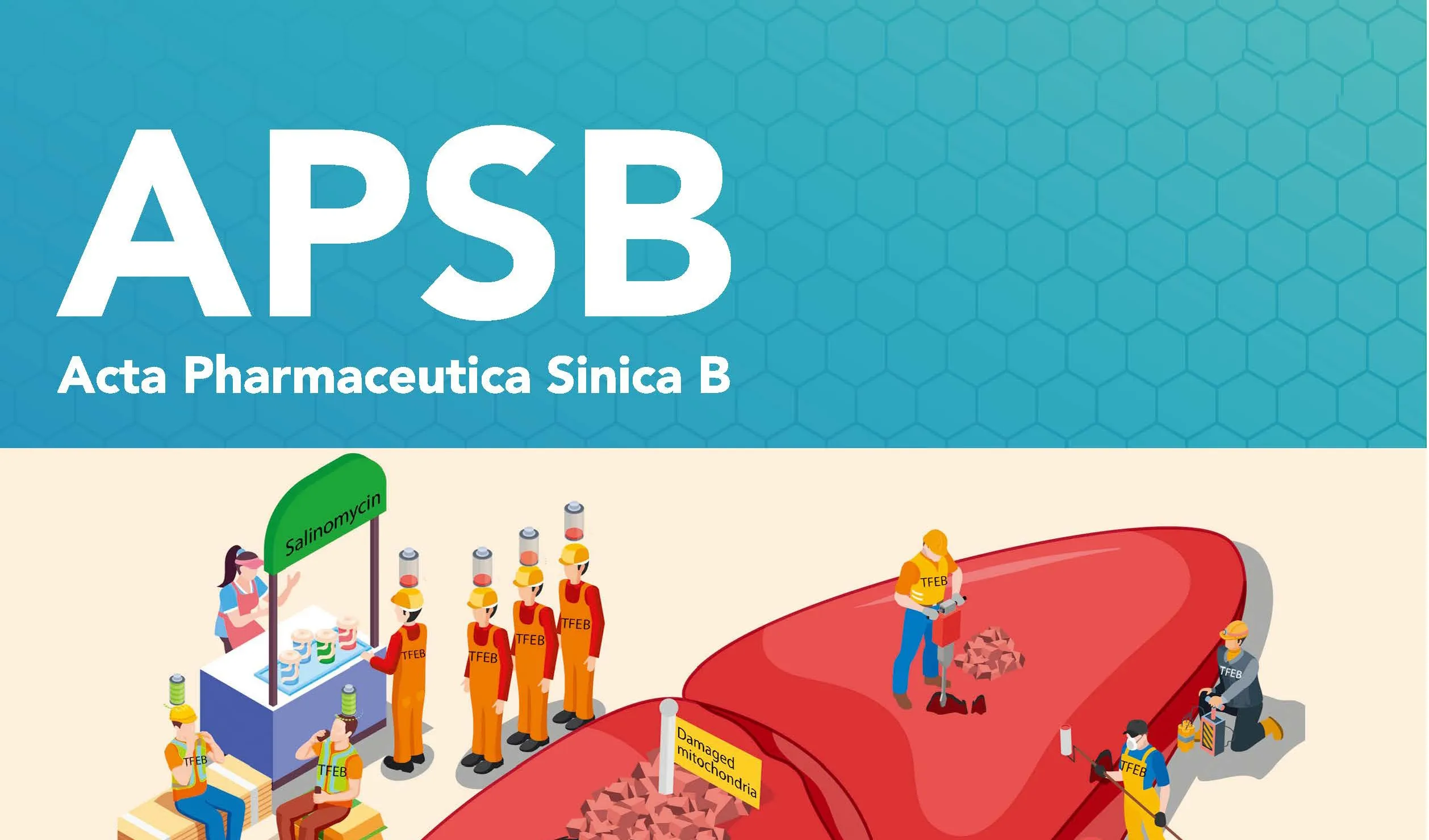
The mechanistic claim is specific: the combination suppresses activation of the miR21-5p/Tpm1 axis, which in turn prevents smooth muscle cells from adopting an osteogenic phenotype. A separate earlier paper from the same group examined a CCN3/NOTCH inflammatory axis, suggesting the formula has more than one documented mechanism [1][3].
How far this is from a treatment
The study is in rats, with a model that induces calcification over weeks rather than the decades of human diabetes. That is standard for the field and appropriate for target validation, but it limits what can be claimed [6].
Herbal formulae contain many compounds at uncontrolled doses, so attributing the effect to a mechanism is partly inferential even when the pathway data are convincing. Intermittent fasting in humans has several definitions — time-restricted eating, alternate-day, 5:2 — with different metabolic and adherence profiles, and none has been shown to regress human vascular calcification. There is no human trial of this combination, and vascular calcification is difficult to measure as an endpoint, requiring CT-based scoring over years. The paper is a well-constructed preclinical rationale, not evidence that patients should fast or take this formula [2][5].
The condition in context: diabetic vascular calcification
Calcification is common in diabetes and contributes to stiff arteries, heart failure and amputation risk.
| Region | What the data shows | Source |
|---|---|---|
| Nature of the lesion | Characterised by abnormal calcium phosphate deposition and vessel wall dysfunction [1][2]. | China TCM News [1][2] |
| Prognostic weight | An independent risk factor for adverse cardiovascular events [2][3]. | China TCM News / MedSci [2][3] |
| Treatment gap | No effective therapy exists despite complex and variable mechanisms [1][3]. | China TCM News / MedSci [1][3] |
Because calcification begins before symptoms, the group frames the target as early intervention — what they call 1.5-level prevention — rather than treating established disease [1].
Why it matters
| Potential | What the report suggests | Source |
|---|---|---|
| Combination logic | Drug plus diet outperformed either alone in animals [1][6]. | [1][6] |
| Mechanism | A defined microRNA axis linking to osteogenic change [1][6]. | [1][6] |
| Caution | Rodent model only; no human data [5]. | [5] |
Availability and limits
- This is an editorial summary of a research paper, not a treatment recommendation [1][2].
- No human trial of the combination exists [5].
- The formula is a multi-component extract with variable composition [4].
- Fasting protocols carry risks in patients on insulin or sulfonylureas [6].
- Calcification regression has not been demonstrated in people [3].
What to ask before booking
| Question | Why it matters |
|---|---|
| Is any trial of this combination recruiting? | None is reported [5]. |
| Is fasting safe with my diabetes medication? | Hypoglycaemia risk is real [6]. |
| Which department handles foreign patients, and in what language? | Xiyuan Hospital is a working hospital we do not book; confirm international-department coordination and language support. |
| How is my vascular calcification being assessed? | It requires imaging-based scoring [3]. |
Questions patients ask
What was studied?
Danlian-Tongmai formula, intermittent fasting, and their combination in a rat model of diabetic vascular calcification induced by streptozotocin and vitamin D overload [1][6].
What was found?
The combination was superior to either intervention alone for calcium-phosphorus disturbance, arterial calcification and osteogenic differentiation of vascular smooth muscle cells, acting via the miR21-5p/Tpm1 axis [1][6].
Where was it published?
Acta Pharmaceutica Sinica B, 13 November 2025 [2][5].
Can patients use this now?
No — there is no human trial, and fasting carries real risk in people on glucose-lowering drugs [5][6].
Is this relevant to international patients?
It is useful context for China's integrative cardiology research. Xiyuan Hospital is a working hospital we do not book — contact its international department directly [1].