
Quick answer
Cervical insufficiency — a cervix that shortens and opens painlessly in mid-pregnancy — is a leading cause of second-trimester loss and preterm birth. The standard treatment is cervical cerclage: a stitch around the cervix. Luo Qiong's team at the Women's Hospital, Zhejiang University School of Medicine, argues one stitch does not fit every patient, and has developed a set of differentiated cerclage techniques — including a double-track method and laparoscopic cerclage before or early in pregnancy — plus a dedicated preterm-birth clinic opened in July 2026 [1][2][3].
Key takeaways
- Standard cerclage is a single technique, which the team says fits poorly across different cases and is weak in emergency settings [1].
- Their innovations include a double-track suture method and laparoscopic pre-pregnancy and early second-trimester cerclage [3].
- They describe the techniques as nationally first-of-kind and individually adapted [1].
- The hospital opened a spontaneous-preterm-birth specialty clinic in July 2026, led by Luo Qiong's team [1][2].
- Luo Qiong is the hospital's vice president and a recipient of China's National Excellent Young Physician award [2].
The clinical problem
In cervical insufficiency the cervix dilates without contractions, often between 16 and 24 weeks. Once membranes bulge into the vagina, the chance of losing the pregnancy is high, and emergency cerclage — placed after dilation has begun — has a much lower success rate than planned cerclage [1][2].
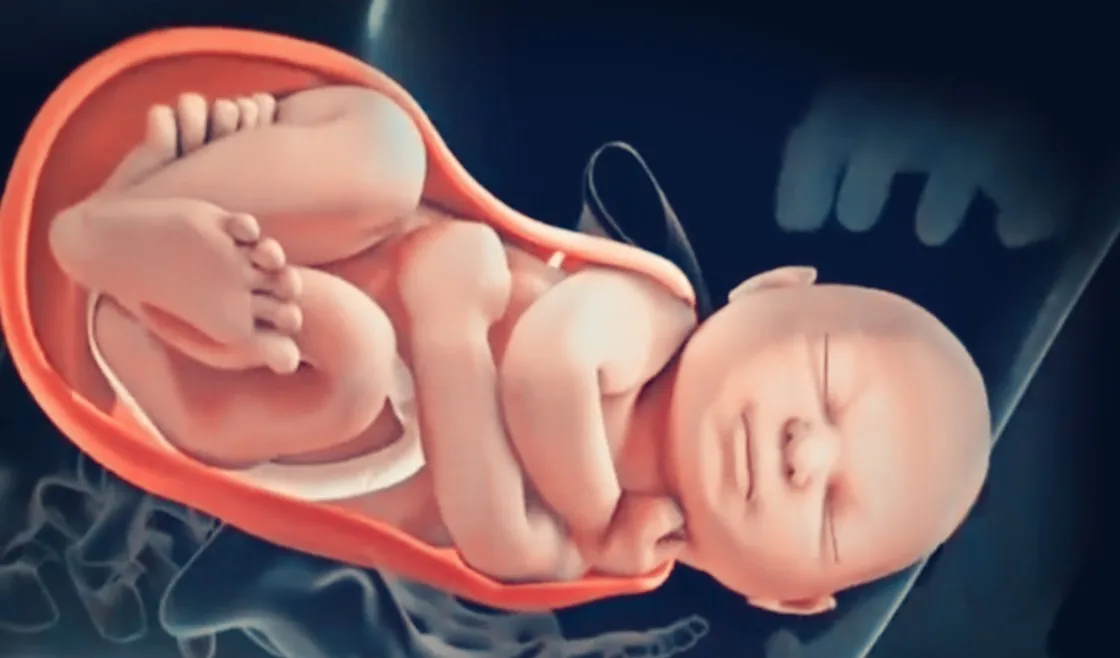
Traditional cerclage has additional drawbacks: it often commits the patient to caesarean delivery and involves more trauma than necessary. The team's approach is to choose the technique and timing to the patient — prophylactic cerclage before pregnancy or early in the second trimester, laparoscopic placement where anatomy demands it, and a reinforced double-track suture where a single stitch is likely to cut out [1][3].
What was reported
A 40-year-old woman pregnant with twins presented at 24 weeks with a dilated cervix and was treated with emergency cerclage; both babies were delivered. In another reported case the cervical canal was fully separated at 20 weeks with a 3.2×3.8×2.1 cm membrane bulge into the vagina; emergency cerclage by Luo Qiong, followed by 130 days of inpatient management, ended with a healthy child [2][4].
These are individual outcomes, not controlled data. The team reports that its approach "significantly improves pregnancy outcomes" in high-risk women, but no randomised comparison or preterm-birth rate reduction is published in the sources reviewed. Cerclage itself remains debated for some indications, and emergency cerclage carries risks of infection and membrane rupture [1][2].
The condition in context: preterm birth
Preterm birth is the leading cause of neonatal death and a major source of lifelong disability.
| Region | What the data shows | Source |
|---|---|---|
| Worldwide | About 1 in 10 babies is born preterm, and complications of prematurity are the leading cause of death in children under five [5]. | World Health Organization [5] |
| Cervical insufficiency | A major cause of second-trimester loss; cerclage is the core preventive treatment [1]. | Hangzhou Daily [1] |
| Risk groups | Advanced maternal age, assisted reproduction, twins and prior miscarriage raise risk [2]. | Hangzhou News [2] |
Because the cervix fails silently, screening by ultrasound and early intervention are as important as the stitch itself [1].
Why it matters
| For the patient | What the report suggests | Source |
|---|---|---|
| Individualisation | Technique and timing are matched to anatomy rather than fixed [1][3]. | [1][3] |
| Earlier action | Pre-pregnancy and early cerclage avoid the weaker emergency route [1]. | [1] |
| Caution | Evidence is case-based; no controlled trial is reported [2]. | [2] |
Availability and limits
- This is an editorial summary of hospital and media reports, not a treatment recommendation [1][2].
- No randomised trial or preterm-birth rate comparison is cited [2].
- Cerclage is not appropriate for every short cervix; infection and membrane rupture must be excluded [1].
- Emergency cerclage carries higher risks than planned procedures [1].
- Global preterm figures describe the condition generally [5].
What to ask before booking
| Question | Why it matters |
|---|---|
| Do I have cervical insufficiency, or only a short cervix? | Indication determines whether cerclage helps [1]. |
| Which technique and route are proposed, and why? | The team's premise is that one technique does not fit all [1][3]. |
| Which department handles foreign patients, and in what language? | ZJU Women's Hospital is a working hospital we do not book; confirm international-department coordination and language support. |
| How long would I need to stay for monitoring? | Some cases require months of inpatient care [4]. |
Questions patients ask
What is cervical cerclage?
A stitch placed around the cervix to keep it closed in cervical insufficiency, the main surgical treatment for preventing second-trimester loss and preterm birth [1].
What is new about this team's approach?
It uses differentiated techniques — including a double-track suture and laparoscopic pre-pregnancy or early second-trimester cerclage — matched to each patient [1][3].
What is the double-track method?
A reinforced cerclage technique described as nationally first-of-kind and used where a single suture is likely to fail [1][3].
Is there trial evidence?
Not in the sources reviewed — the reports describe techniques and individual cases, not a controlled comparison [2].
Is this relevant to international patients?
It is useful context for China's preterm-birth care. The hospital is a working hospital we do not book — contact its international department directly [1].